
The Ride to Maryland Reminded Me Why Culture Matters
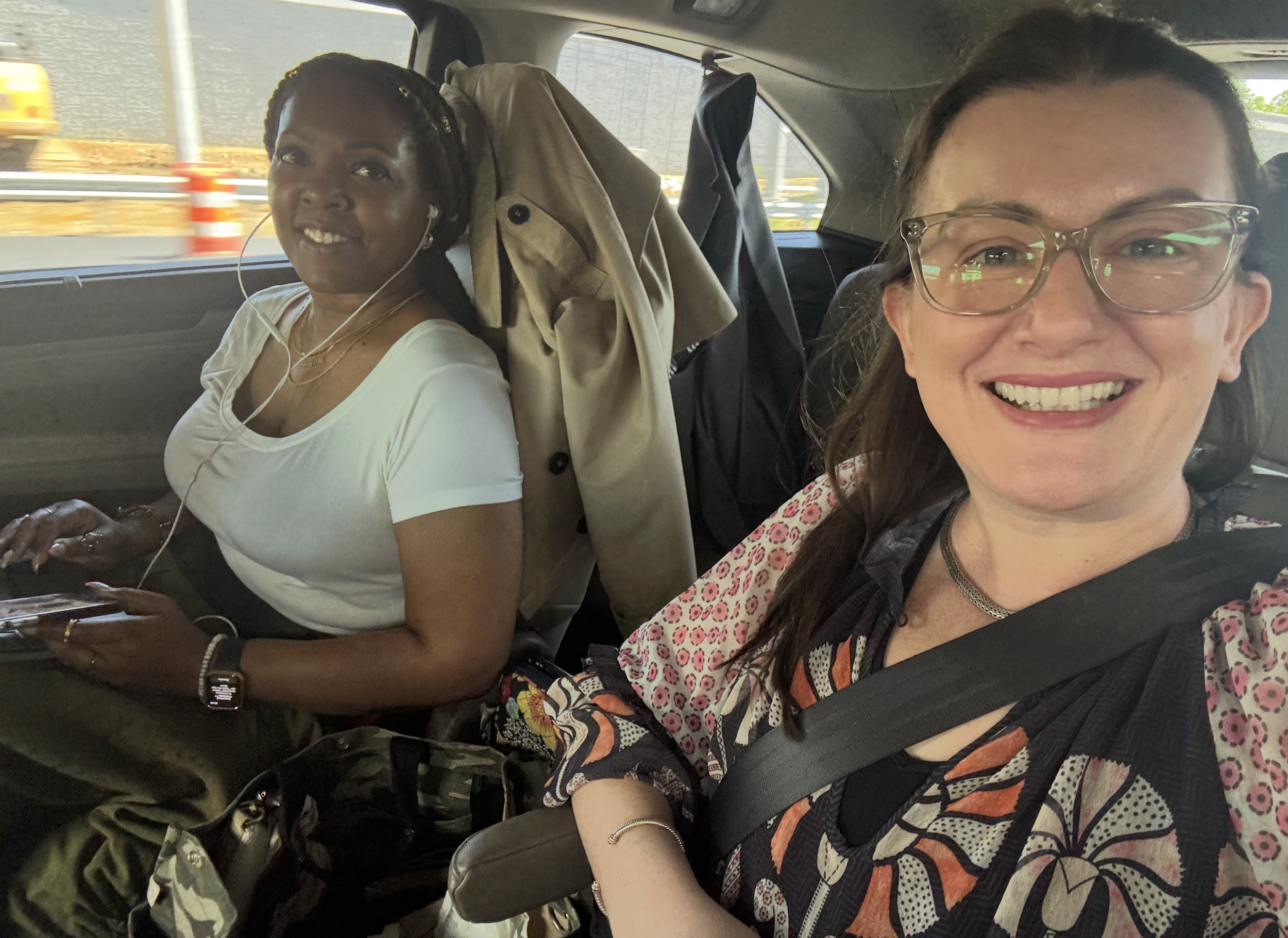
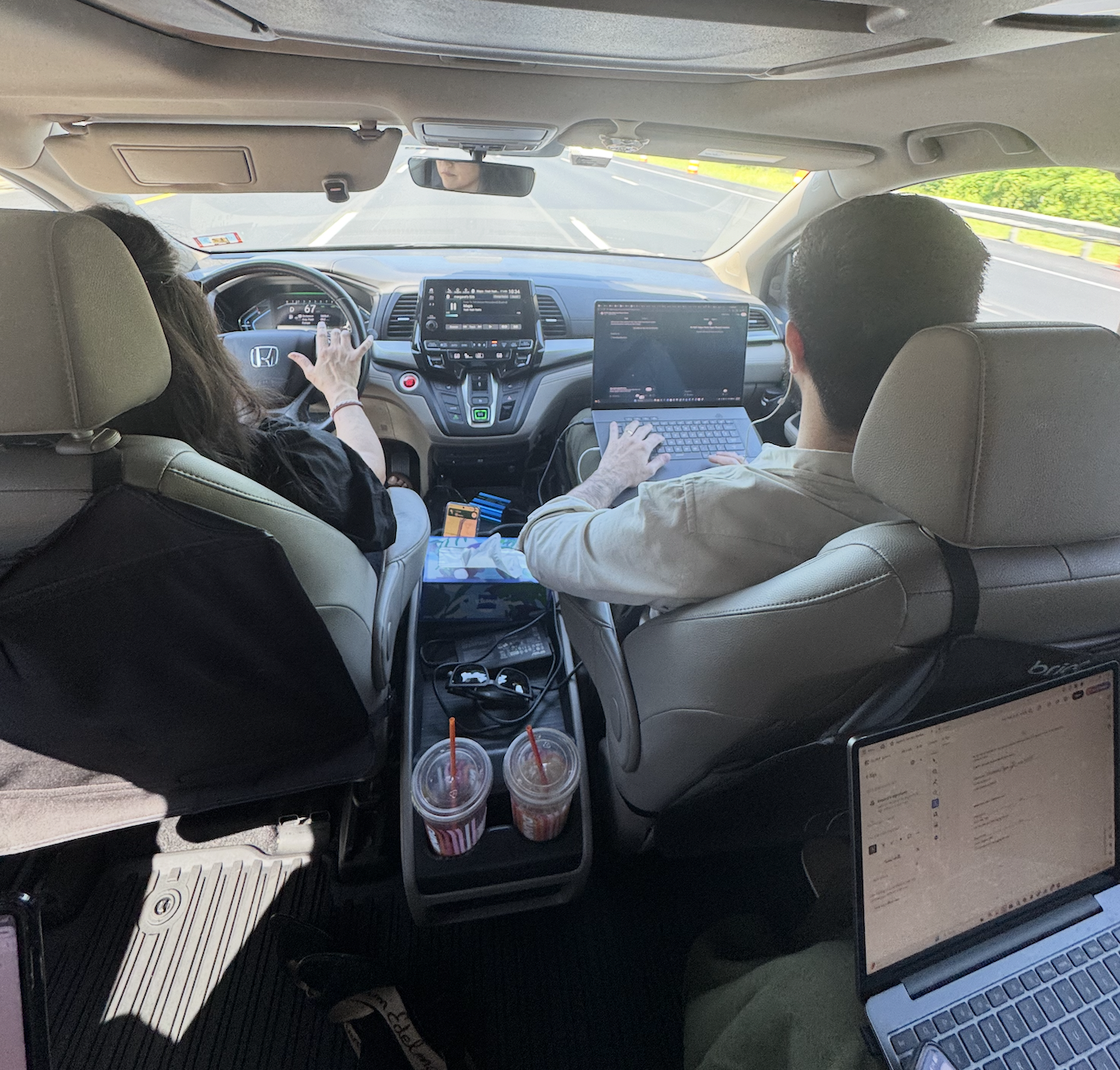
This week, Kemi, Jack, Peggy and I piled into Peggy’s minivan and headed to Maryland to meet with new clients.
Nothing fancy. Just four colleagues, a minivan, coffee, conversation, and probably a few missed exits along the way.
But somewhere on that drive, I had one of those moments where I stopped and really took it all in.
Our day-to-day work is full. It is meetings, clients, writing, planning, strategy, grant work, problem-solving, and helping organizations think about what comes next. It is work we love. It is meaningful. It is also a lot.
But there is something different about being in a car together. You learn about each other’s children. You talk about family. You laugh about the things that never make it into a meeting agenda. You share client wins. You talk through hard things. You remember that behind every title, every email, every calendar invite, there is a person.
At one point, I looked around the car and said out loud, “I just love this.” And I meant it.
Workplace culture is not only built in conference rooms. It is not only built during retreats or formal team-building days. Sometimes it is built on the road, in between meetings, when people have space to just be themselves.
What the Research Says About Camaraderie
I recently read a research article by Quratulain Burhan and Muhammad Faisal Malik on workplace camaraderie, and it made me think about this drive in a deeper way.
The study looked at workplace camaraderie as more than just “people getting along.” The researchers described it as the positive and supportive relationships between employees. It is about belonging, connection, trust, mutual respect, and the ability to work together.
The study included 171 employees from public sector organizations. The researchers wanted to better understand how workplace camaraderie can influence behavior at work. They looked at camaraderie, personal bias, cronyism, favoritism, and incivility.
What they found was important.
Camaraderie can be powerful. It can help people feel connected, supported, and more willing to collaborate. When people feel like they belong, they are often more engaged, more satisfied, and more comfortable sharing ideas.
But the study also gave an important warning.
Camaraderie has to be healthy. If closeness becomes an “inside group,” it can create bias, favoritism, and exclusion. When people feel decisions are based on relationships instead of fairness, it can lead to resentment and incivility.
That part stayed with me.
Because real culture is not about having a favorite group of people. It is not about who sits closest to the leader, who gets invited to the lunch, or who has the inside joke.
Real culture is about creating a team where people feel seen, valued, included, and respected.
That is the kind of camaraderie that helps organizations grow.
Why This Matters to Us
At allied executive solutions, we talk a lot about culture with our clients. We help organizations think through leadership, communication, strategy, fundraising, and sustainability.
But culture is not just something we advise others to build.
We have to live it too.
For us, culture looks like showing up for each other. It looks like sharing ideas openly. It looks like celebrating wins and being honest about what is hard. It looks like caring about the work and caring about the people doing the work.
And sometimes, it looks like four people in Peggy’s minivan heading to Maryland.
Kemi is the one who is always working. Always thinking. Always making sure the work is right. She wants things done well because she cares deeply about the people and organizations we serve. Her standards are high, and honestly, they make all of us better.
Jack is the calm in the crowd. Every team needs someone who makes you feel like everything is going to be okay. Jack brings steadiness, wisdom, and perspective. When things feel complicated, he has a way of helping everyone breathe and find the path forward.
Peggy is the organized one. The mom of the crowd. She keeps us moving, keeps us grounded, and keeps track of the things the rest of us may or may not have remembered. Every team needs a Peggy. Actually, every team probably wants a Peggy, but sorry, this one is ours.
And me? I bring the big ideas, the feelings, the snacks, and the occasional “wait, I have one more thought.”
Together, it works.
We are different people with different strengths, different experiences, and different ways of seeing the world. That is what makes the team stronger.
Driving to Maryland reminded me that the best work does not only come from strategy. It comes from trust. It comes from knowing each other. It comes from laughing together, learning together, and choosing to build something with people you genuinely enjoy.
That is the real gift. Not just building a company. Building a team.
-Elona